Back to the Indie Corner series
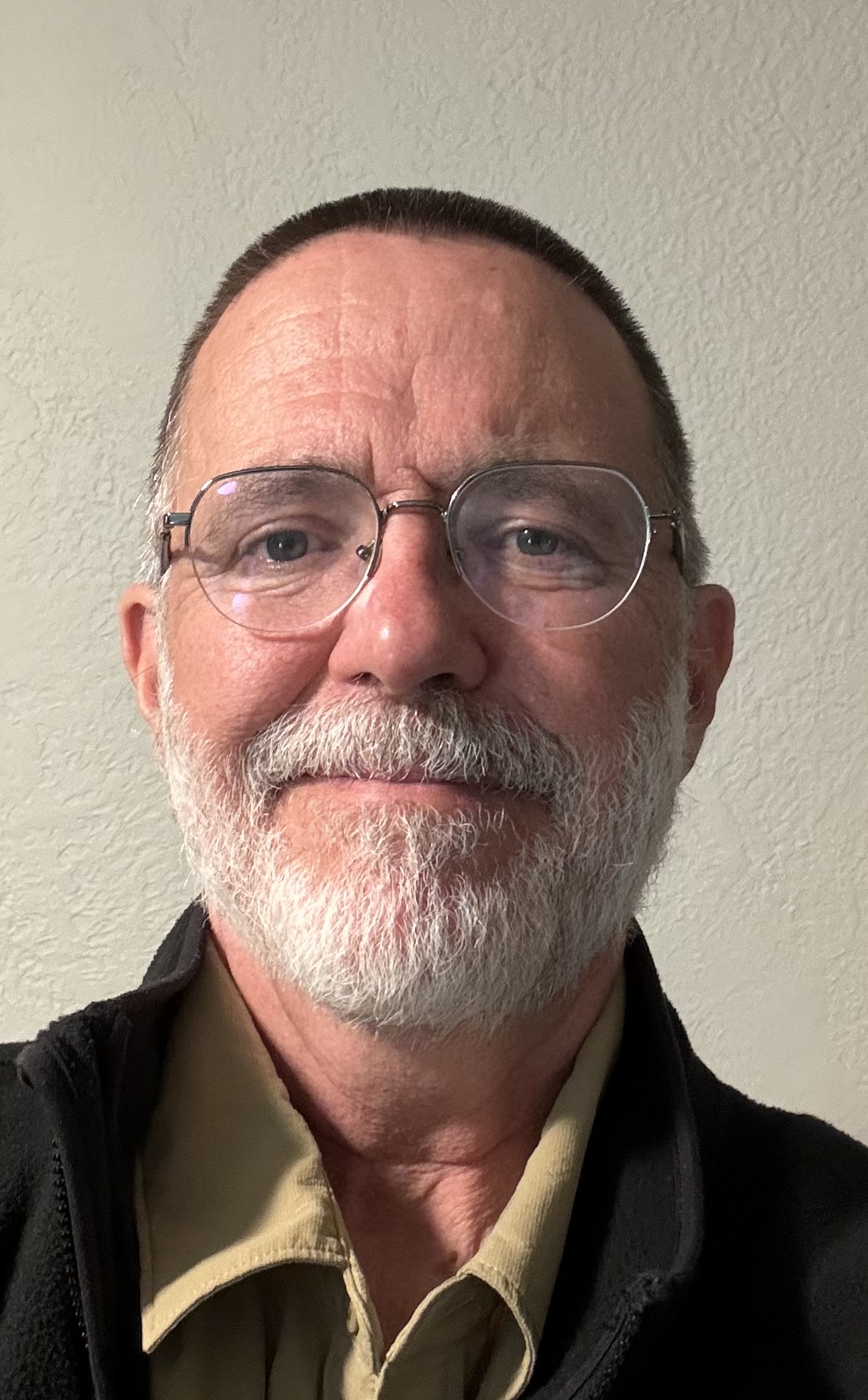
Robert Savino Oventile hikes Eaton Canyon regularly. He is a coauthor with Sandy Florian of Sophia Lethe Talks Doxodox Down (Atmosphere, 2021).
Chat with the Author
Mary: Tell us about your new book and what inspired it, or was it accidental?
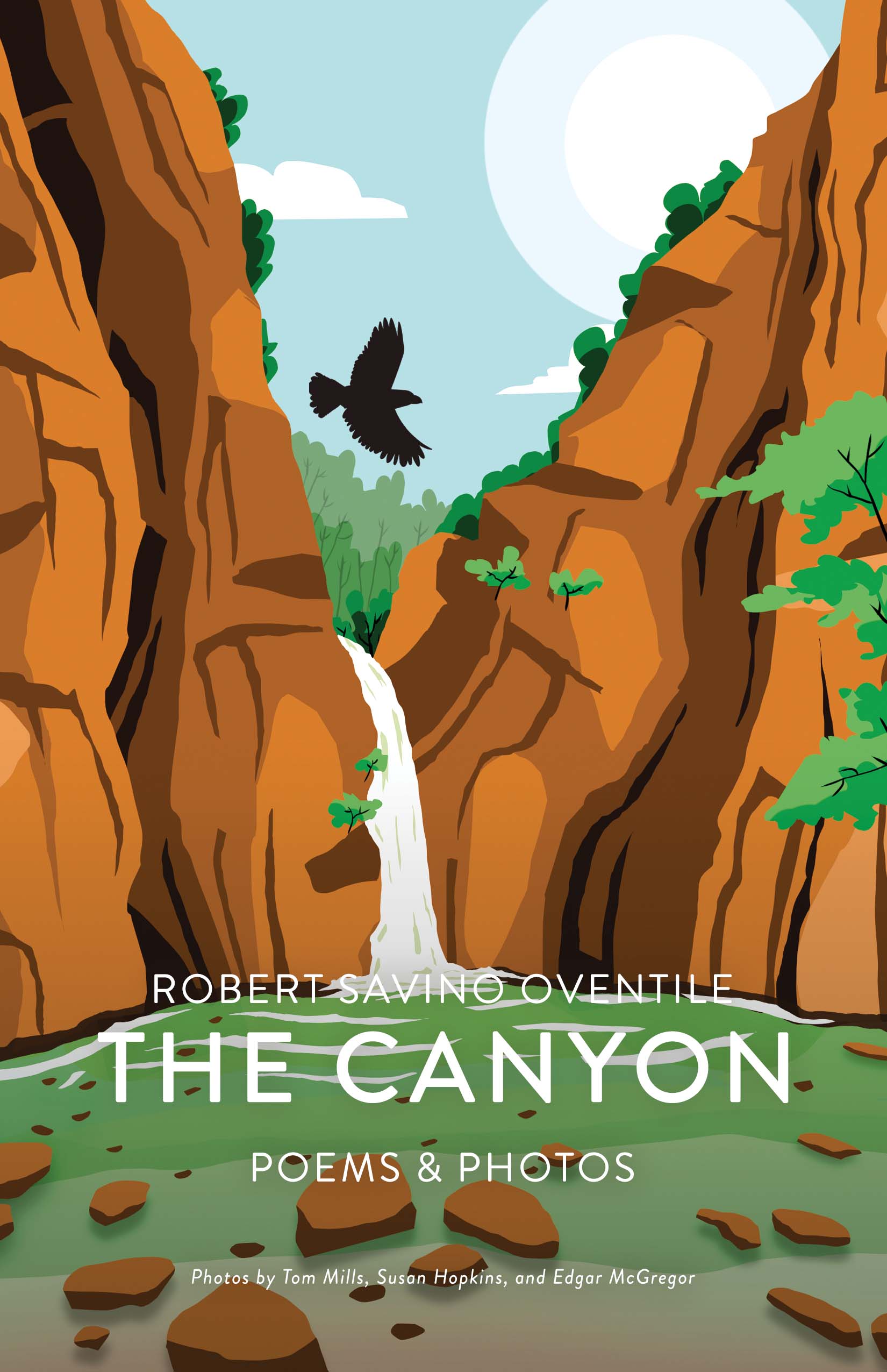
I have hiked Eaton Canyon since childhood. For several of our first dates, my partner and I took hikes in the canyon. About two years ago, hiking in Eaton Canyon, I was inspired to write about the canyon. The resulting book, The Canyon, contains twenty-four prose poems about the canyon. Poem titles include “Yucca and Moth,” “Bears in the Canyon,” and “Coast Live Oak.” A photo of a feature of Eaton Canyon taken by me, Hopkins, Mills, or McGregor accompanies each poem.
Mary: What writing communities are you a part of, and how do they help?
Robert: Recently, my writing community has been the writers of Local News Pasadena, to which I am a contributor and for which I edit “Poetically Speaking,” the website’s poetry page. Another of my recent writing communities consists of the writers for the website My Eaton Canyon.
The co-creators for The Canyon are Susan Hopkins, an Eaton Canyon Docent Naturalist; Tom Mills, a nature and wildlife photographer and an Eaton Canyon Docent; and Edgar McGregor, a meteorologist, environmentalist, and Eaton Canyon doyen. Hopkins, Mills, and McGregor all contribute work to My Eaton Canyon, as have I.
The Canyon would not have been possible without these three, and not just because they each contributed photographs to the book, as mentioned below. For years, they have been dedicated stewards of Eaton Canyon. McGregor, for example, has spent hundreds and hundreds of hours removing trash from the canyon. So the Eaton Canyon poems are about how the canyon is marked by their persistent care.
Mary: How does your book align with nature and place?
Robert: The Canyon is all about Eaton Canyon, which is adjacent to Pasadena and Altadena, California. Found in Southern California’s San Gabriel Mountains, the canyon is subject to periodic wildfires and many of the 1,500 or so species in the canyon are fire-adapted. In 1993, there was a major fire in the canyon, the Kinneloa Fire. After that fire, the plants and animals returned. Then, in January of 2025, the Eaton Fire basically moonscaped the canyon. So, The Canyon is a book about Eaton Canyon in its existence between 1993’s Kinneloa Fire and 2025’s Eaton Fire.
Mary: Does your book have a message, or do you consider it more a piece of art? Or both?
Robert: The book is a poetic and photographic meditation on Eaton Canyon. In a way, reading the book is a literary and photographic parallel to a slow, thoughtful hike through the canyon. Due to the Eaton Fire, the canyon is now closed to hikers and will likely remain so for at least a year or two. But in the meantime, readers can walk through one imagining of Eaton Canyon, The Canyon.
Mary: What other writers and books do you enjoy and why?
Robert: I learned to write prose poetry from Sandy Florian, especially from her book Prelude to Air from Water. I’ve recently learned new ways to think about poetry and ecology from the writings of Timothy Morton, who generously contributed the blurb appearing on the back cover of The Canyon. Especially important to my writing of The Canyon was Morton’s book Dark Ecology: For a Logic of Future Coexistence.
Mary: Have you been on book tours or community events to promote your book?
Robert: I was hosted on episode 237 of the podcast Cultures of Energy to discuss Eaton Canyon, the Eaton Fire, and The Canyon. On September 26, my co-creators and I discussed and signed the book at Pasadena’s Vroman’s Bookstore.
Mary: What’s your greatest experience in nature that somehow profoundly moves your work?
Robert: When I was very young, I stood alone in a field, and the horizon opened to me, the clouds drifting, the blue pulsing, the wind chattering in the trees. The opening poem of The Canyon, “Prelude,” is about this experience.
Mary: That’s beautiful, Robert! Thanks for sharing your book with Dragonfly.